2026.07.27
Blog
What Factors Affect the Lifespan of an Induction Motor?
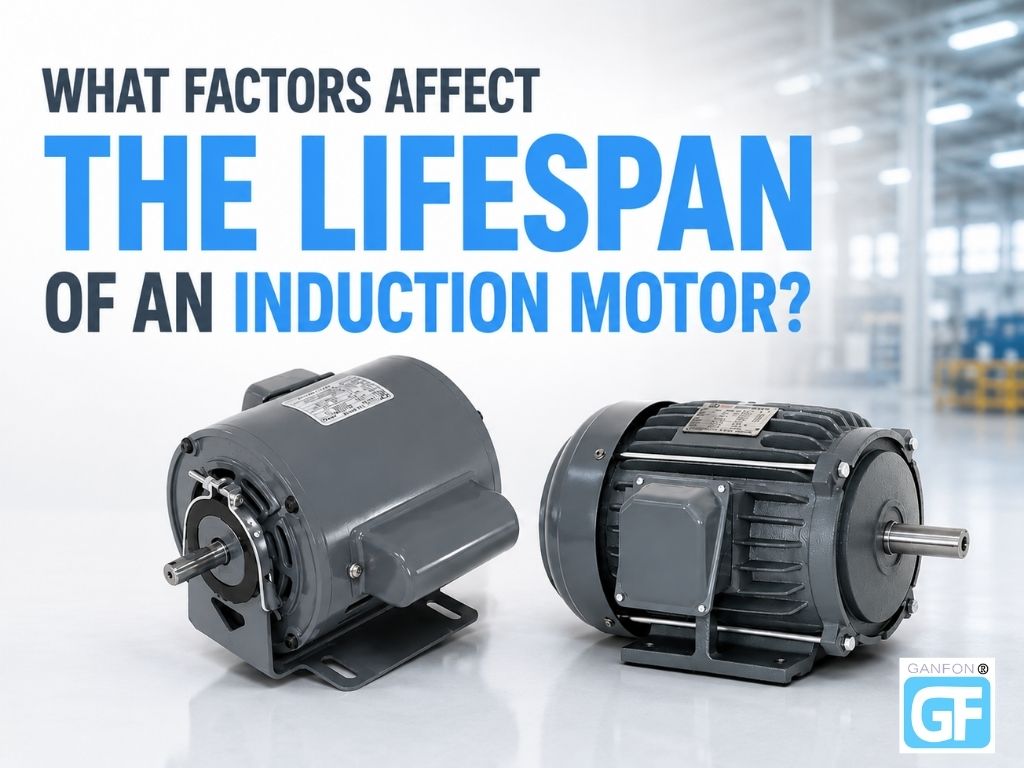
Induction motors are among the most reliable and widely used electric motors in industrial equipment. From compressors and pumps to ventilation systems and manufacturing machinery, they are designed to deliver stable performance over long operating periods. However, even the most durable induction motor has a finite service life.
The lifespan of an induction motor is influenced by far more than its operating hours. Factors such as environmental conditions, electrical quality, maintenance practices, and load characteristics all play important roles in determining how long a motor will perform efficiently.
At GANFON, we work closely with equipment
manufacturers across a wide range of industries to provide induction motor solutions built for long-term reliability. Understanding the factors that affect motor lifespan helps manufacturers reduce downtime, lower maintenance costs, and maximize equipment performance.
Why Induction Motor Lifespan Matters
Replacing a failed motor involves more than simply purchasing a new unit. Unexpected motor failures can interrupt production schedules, increase maintenance expenses, and reduce overall equipment efficiency.
Extending motor lifespan provides several benefits:
- Lower maintenance costs
- Reduced production downtime
- Improved equipment reliability
- Higher return on equipment investment
- More consistent manufacturing performance
For OEM equipment manufacturers, selecting a durable induction motor is often just as important as selecting the right mechanical components.
Operating Temperature Is One of the Most Critical Factors Affecting Motor Lifespan
Heat is one of the primary factors affecting induction motor longevity because elevated temperatures accelerate insulation aging and place additional stress on bearings and winding systems. Every motor is designed to operate within a specified temperature range. Excessive operating temperatures accelerate insulation aging and reduce bearing life, eventually leading to motor failure.
Common causes of overheating include:
- Continuous overload operation
- Abnormal power supply voltage
- Single-phasing (Phase loss): A three-phase motor loses one phase of power, resulting in severe internal current imbalance.
- Insulation aging
- Excessive dust accumulation leads to poor heat dissipation
Maintaining proper airflow around the motor and preventing excessive operating temperatures can significantly extend service life.
Bearing Condition Determines Mechanical Reliability
Although the stator and rotor receive much of the attention, bearings are among the most common components to fail during normal motor operation.
Bearing failures commonly result from:
- Insufficient lubrication
- Contamination from dust or moisture
- Shaft misalignment
- Excessive vibration
- Continuous heavy loading
Because bearings support continuous rotation, even minor wear can eventually affect motor efficiency, increase vibration, and cause secondary damage to other components.
Routine inspection and timely bearing replacement are essential preventive maintenance practices.
Stable Power Supply Protects Motor Performance
Electrical conditions directly influence induction motor reliability. Voltage fluctuations or phase imbalance place additional stress on windings and increase operating temperatures.
Electrical issues that shorten motor life include:
- Low voltage
- Overvoltage
- Phase imbalance
- Voltage spikes
- Poor electrical connections
Using a stable electrical supply and proper motor protection devices helps maintain consistent performance while reducing unnecessary electrical stress.
Environmental Conditions Cannot Be Ignored
Industrial environments are rarely clean or temperature-controlled. Dust, humidity, oil mist, chemicals, and vibration all contribute to long-term motor wear.
Applications exposed to harsh conditions should consider motors designed with appropriate protection features.
Environmental challenges often include:
- High humidity
- Dust accumulation
- Corrosive chemicals
- Water exposure
- Continuous vibration
Selecting the appropriate enclosure and protection level for the application helps improve durability under demanding operating conditions.
Proper Motor Sizing Improves Service Life
Choosing the correct induction motor is not simply a matter of selecting sufficient horsepower. An oversized or undersized motor can both reduce efficiency and shorten operational life.
A properly sized motor should match:
- Load characteristics
- Starting torque requirements
- Operating duty cycle
- Speed requirements
- Ambient working conditions
Working closely with an experienced motor manufacturer during equipment design helps optimize both performance and reliability.
Preventive Maintenance Makes a Significant Difference
Many induction motor failures can be avoided through routine maintenance rather than major repairs. Regular maintenance also helps identify minor issues before they develop into costly failures, allowing repairs to be scheduled before unexpected downtime occurs. Maintenance intervals should be adjusted according to operating hours, environmental conditions, load requirements, and the importance of the equipment within the production process.
Recommended maintenance practices include:
| Maintenance Item | Recommended Practice |
|---|---|
| Cooling system | Clean ventilation openings and cooling fins regularly |
| Bearings | Inspect lubrication condition, noise, and wear |
| Electrical terminals | Tighten loose connections and inspect for overheating |
| Motor housing | Remove dust, oil, and debris accumulation |
| Vibration |
|
| Operating temperature | Measure periodically and investigate abnormal heat rise |
Preventive maintenance not only extends motor lifespan but also reduces unexpected production interruptions.
Signs an Induction Motor May Be Nearing the End of Its Service Life
Even with proper maintenance, every induction motor will eventually show signs of wear. Early detection allows maintenance teams to schedule repairs before unexpected failures occur.
Typical warning signs include:
- Increasing operating temperature
- Unusual vibration
- Excessive bearing noise
- Reduced efficiency
- Frequent overload trips
- Burning odor from insulation
- Visible oil or grease leakage
If these symptoms appear consistently, further inspection or motor replacement should be considered.
GANFON Induction Motor Solutions
At GANFON, we believe long motor life begins with thoughtful engineering and reliable manufacturing. Our induction motors are developed to deliver stable performance across a wide variety of industrial applications, from compressors and pumps to ventilation equipment and processing machinery.
Our product portfolio includes both single-phase and three-phase induction motors, allowing equipment manufacturers to select solutions that best match their operational requirements.
Key advantages include:
- Reliable performance for continuous-duty operation
- Durable construction for demanding industrial environments
- Stable torque output and efficient motor performance
- Flexible motor solutions for various industrial applications
- Professional technical support and OEM/ODM manufacturing services
By combining dependable motor performance with consistent manufacturing quality, GANFON helps customers improve equipment reliability and reduce long-term operating costs.
Frequently Asked Questions (FAQ)
Q1: How long does an induction motor typically last?
A well-maintained induction motor can often operate for 10 to 15 years or even longer, depending on operating conditions, load, environmental exposure, and maintenance practices.
Q2: What is the most common cause of induction motor failure?
Overheating and bearing failure are among the most common causes, often resulting from overload, poor ventilation, contamination, misalignment, or insufficient maintenance.
Q3: Can high temperatures shorten induction motor lifespan?
Yes. Excessive heat accelerates insulation aging and increases bearing wear, significantly reducing motor service life.
Q4: How often should induction motors be inspected?
Routine inspections should be performed regularly based on operating hours and application requirements. Critical industrial equipment may require monthly or quarterly inspections.
Q5: Does preventive maintenance really extend motor life?
Yes. Regular cleaning, bearing inspection, proper lubrication, temperature monitoring, and electrical checks can significantly improve motor reliability and reduce unexpected failures.
Q6: How can I choose an induction motor with a longer service life?
Look for motors manufactured with quality materials, reliable insulation systems, durable bearings, and designs suited to the intended operating environment. Selecting the correct motor specification for the application is equally important.
Related Articles
Explore the following articles to learn more about induction motor selection, motor types, industrial applications, and equipment reliability:
- Induction Electric Motor vs. Synchronous Motor: What’s the Difference?
- Why Three Phase Induction Motors Are Preferred for Industrial Equipment
- AC Motors in Industrial Automation: Why They Power Modern Production Lines
- How to Choose the Right Cement Mixer Motor for Your Equipment
Conclusion
The lifespan of an induction motor depends on a combination of design quality, operating conditions, and ongoing maintenance. Factors such as temperature, bearing condition, electrical stability, environmental exposure, and proper motor sizing all contribute to long-term reliability.
By understanding these factors and adopting preventive maintenance practices, equipment manufacturers can reduce downtime, improve production efficiency, and maximize the value of their motor investment.
If you are looking for dependable induction motor solutions designed for long-term industrial performance, GANFON offers a comprehensive range of single-phase and three-phase induction motors backed by professional engineering support. Contact our team to discuss the right motor solution for your equipment and application requirements.

